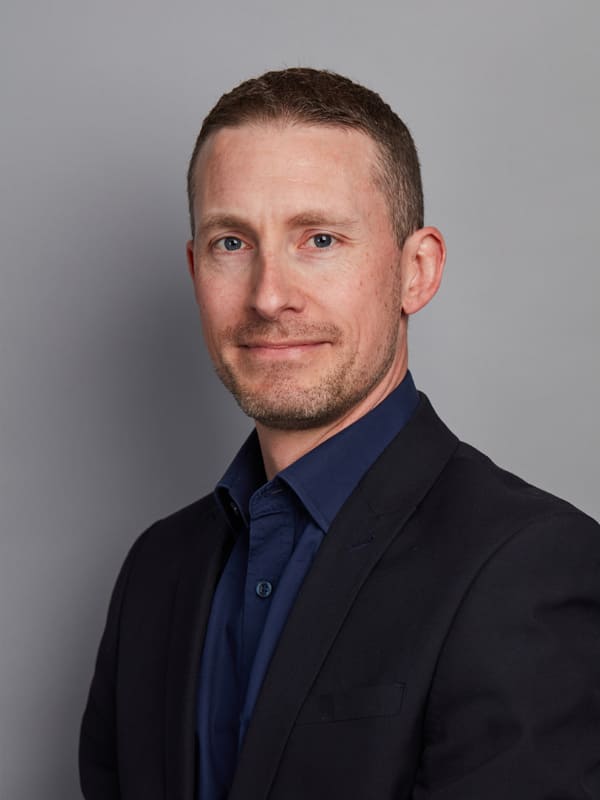
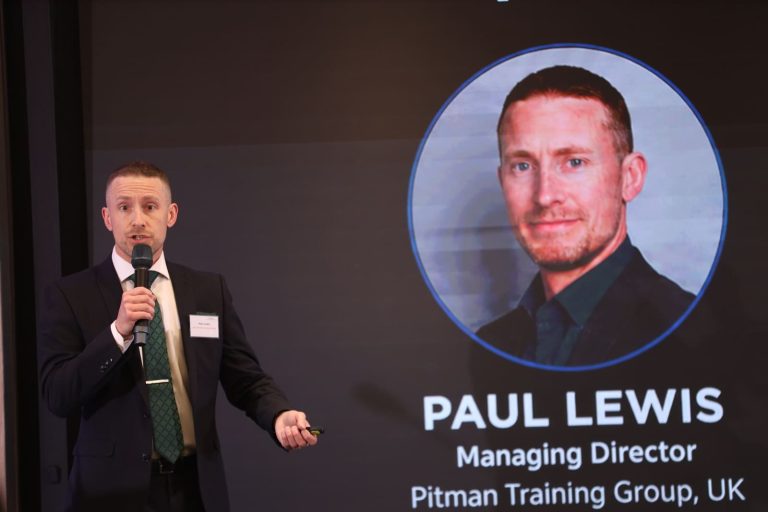
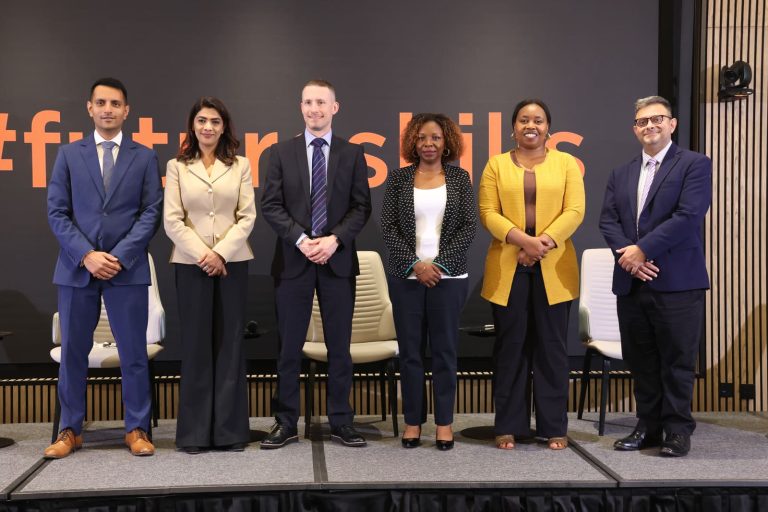
Paul Lewis Featured in BCCK CEO of the Month
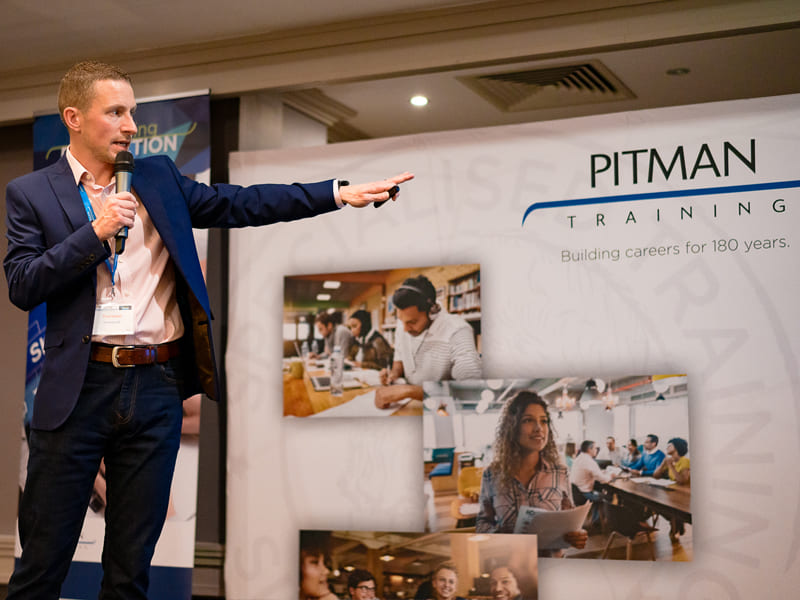
Let’s start by delving into your background. Could you tell us about your early experiences and how they shaped your career path?
My early career was very different from where I am today. I left school intending to become a graphic designer and enrolled for a National Diploma in Graphic Design. I was good at it, but I quickly realised it was not stimulating enough for me.
At the same time, I was working part-time in a luxury jewellery store, and that is where I discovered what I really loved: meeting people, building relationships and selling products people aspired to own. I made the conscious decision to leave college and commit fully to a career in retail sales.
From there, I worked hard, progressed through the business and moved into leadership, eventually managing a cluster of jewellery stores. What really interested me was not just the product, but the commercial side of the business, building plans, executing strategy, understanding the competition and driving performance.
I was then headhunted into Venture Photography, which introduced me to franchising. That was a turning point. I loved the model, the relationships and the scale it offered. Later, I joined Expense Reduction Analysts, with 1,000 franchise partners globally, which deepened my understanding of the power of franchising.
Then in 2020, I was headhunted to join Pitman Training. It is the best job I have ever had. Learning and development is incredibly rewarding because it changes lives, and I cannot see myself stepping away from that.
Tell us about your diverse experiences and years in this industry, and what motivated you to become the CEO of Pitman Training Group.
Even after six years in learning and development, I still feel like something of a newcomer to the sector.
What motivated me most was the opportunity to lead one of the best-known names in learning and development. Pitman has an extraordinary legacy, and with the business approaching its 190th anniversary, the chance to lead such a heritage brand was a huge honour.
But beyond the brand itself, it was the work that really drew me in. In previous roles, I had worked with great businesses selling products and services. L&D is different. It is genuinely life-changing. To be part of something that positively impacts people, communities and society is what makes this role so meaningful for me.
Shifting focus to Pitman Training Group, could you provide some insights into the core values driving its growth and sustainability?
Our core values begin with customer centricity, putting our learners first and ensuring they are at the heart of everything we do.
Then there is integrity, which means being honest, humble and transparent in the way we operate.
We also ask our people to think and act like owners, which is especially important in a franchised business. We have 60 locations globally, and we want our teams to make decisions with care, accountability and commercial responsibility.
Another key value is learner success. We are committed to helping learners achieve the outcomes they are looking for.
Teamwork is also fundamental. We are one team across the network.
And finally, fun. We take our work seriously, but we also want our teams and our learners to enjoy the journey. People may remember the qualification they earned, but they will also remember how they felt while earning it. That matters to us.
How has your vision for the Group evolved in response to recent challenges?
Our vision has evolved with the world around us, and it will continue to do so.
Historically, Pitman was primarily a B2C business, serving individuals. Over the past five to ten years, however, we have seen significant growth in demand from corporate clients. Today, we are increasingly focused on delivering world-class learning and development solutions for businesses as well as individuals.
Post-COVID, that shift accelerated. Many organisations were dealing with digital skills gaps, particularly as people moved into remote and hybrid working environments. That created a real need for practical, workplace-relevant training.
At the same time, AI and technology are moving at pace. That means our curriculum development team must constantly evolve our programmes to ensure they meet the needs of today’s businesses and tomorrow’s workforce. We have invested heavily in that area so that we can continue to stay relevant and ahead of the curve.
Considering the organisational culture, what specific type of culture do you envision for the company, and what benefits do you believe it should yield?
Culture is incredibly important to us because Pitman is a global network with more than 400 representatives. Whether someone is in Kenya, the UK, Ireland or elsewhere, we want them to reflect the same values, standards and learner-first mindset.
For us, culture should deliver excellence in the learner experience. That means ensuring learners and business clients not only enjoy the experience, but also achieve the outcomes they came to us for.
When that happens, the benefits are clear. Learners progress, businesses improve productivity, and teams become more capable, more confident and better prepared for growth. That is the culture we want to build and protect.
Reflecting on your journey to the CEO position, what are some of the most significant challenges you encountered as you progressed to this role?
Without question, the biggest challenge was the COVID-19 pandemic.
I took on the role in early 2020, just as COVID had taken hold. That meant I could not meet people in person, and at that time, the world was not yet fully comfortable with virtual communication in the way it is today.
Trying to introduce myself and build relationships across a network of more than 400 people, entirely online, was not easy. That said, I am proud of how we navigated that period and of the relationships we were still able to build.
It was also challenging because, while we offer hybrid and virtual learning, we are also very much an in-person training business. Not being able to deliver that face-to-face experience was a real constraint.
Given the recent increased demand for integrating Artificial Intelligence into organisational activities, what is your perception of it, and how do you foresee its impact on businesses in the next five years?
I see AI as an opportunity, not a threat.
I do not believe it is going to wipe out jobs, but I do think it will fundamentally change how business leaders think about efficiency, service delivery and the structure of their organisations.
The key is to use AI to solve real problems. Too many businesses are trying to adopt it simply because it is topical. I do not think that is the right approach. The better question is: what issue are you trying to solve? Where is the inefficiency, the overspend or the risk? If AI can address that, then it becomes valuable.
Some sectors will move faster than others, and many organisations are still working out what practical application looks like. That is perfectly normal.
At Pitman, our role is to help businesses apply AI in context. It is not about teaching generic AI skills for the sake of it. It is about teaching relevant AI skills for specific industries and functions, whether that is healthcare, marketing, design or another field. That is where the real value lies, and the response so far has been very encouraging.
As you reflect on your journey, what advice would you offer to growing leaders seeking to advance their careers?
My biggest advice would be to surround yourself with great people. It may sound simple, but it is one of the most important lessons I have learned.
You need people around you whom you trust, who believe in the vision, and who are all pulling in the same direction. When that alignment is there, everything becomes stronger.
I often compare it to sport. The best teams are not just talented, they are connected. You can see it in how they work together, how they communicate and how they carry themselves.
So my advice is to build strong teams, invest in those people, and be humble enough to bring in individuals who are better than you in certain areas. Great leadership is not about having all the answers yourself. It is about building the right team around you.
What three things would you advise aspiring business leaders looking to transition into leadership roles?
One of the most important things is not to make yourself the centre of everything.
Some leaders think they need to be involved in every decision and every detail, but I see that as the opposite of strong leadership. Your role is to build a team that can run effectively, with you providing oversight and direction rather than controlling every moving part.
A strong business should be able to perform without constant dependence on the leader. That is a much healthier and more sustainable model of leadership.
Throughout your career, what three resources – both books, movies, podcasts, etc. – have significantly influenced your journey?
Three stand out for me.
First, the Institute of Directors. Early in my career as a director, I completed formal directorship training through the Institute, and that gave me a much stronger grounding in leadership, accountability and the financial responsibilities of running a business.
Second, the book Taming Tigers by Jim Lawless, which I have gone back to more than once. It is especially useful for anyone developing confidence in managing people and difficult situations.
And third, the film The Founder. Having spent much of my career in franchising, I found it particularly relevant. It is a fascinating look at scale, innovation and the mindset required to build a global business.
Thank you, Mr Paul Lewis, for sharing your insights and experiences with us. It has been a pleasure speaking with you.
Parting Line
So my advice is to build strong teams, invest in those people, and be humble enough to bring in individuals who are better than you in certain areas. Great leadership is not about having all the answers yourself. It is about building the right team around you.